What the Gospel stories about refugees, children, and neighbors reveal about current U.S. immigration enforcement
Anti-Christ as a Pattern, not a Person
I realize this is a bold statement, and that the term “anti-Christ” carries a lot of connotations. But I’m not talking about the evangelical belief that there is one Big Bad for whom we need to be on the lookout. When I say “anti-Christ,” I mean a pattern of behaviors that are antithetical to the life and teaching of Jesus Christ.
The singular focus on the one monster who checks a certain set of boxes blinds us to the reality that anti-Christ behaviors can be seen anywhere. And much of the current Immigration and Customs Enforcement operations are blatantly anti-Christian. That is, it contradicts what the Gospels teach about vulnerable people, children, and neighbors.
Jesus as Refugee and State Violence
Now after they had left, an angel of the Lord appeared to Joseph in a dream and said, “Get up, take the child and his mother, and flee to Egypt, and remain there until I tell you, for Herod is about to search for the child, to destroy him.”
Matthew 2:13 (NRSVue).
This story is familiar and, so, perhaps, we do not feel the weight of the moment. Jesus begins his life fleeing the state’s violent policies. Leaving their home was a survival strategy, and they returned only when it was safe to do so. Jesus lived as a refugee, an immigrant in a different nation, crossing geopolitical borders for a better life.
Rachel Weeping and Children in Detention
When Herod saw that he had been tricked by the magi, he was infuriated, and he sent and killed all the children in and around Bethlehem who were two years old or under, according to the time that he had learned from the magi. Then what had been spoken through the prophet Jeremiah was fulfilled:
“A voice was heard in Ramah,
wailing and loud lamentation,
Rachel weeping for her children;
she refused to be consoled, because
they are no more.” (Matt 2:13-18)
The murderous policies of Herod, which led to the flight of Jesus and his family, took the lives of small children in Bethlehem. Why God was not able to save all the children, but did save Jesus, is not addressed in the story; theologians have grappled with this for centuries. But the text makes it clear that this is a tragedy.
The author of Matthew cites Jeremiah 31:15, who is writing during the fall of Jerusalem to Babylon. Rachel weeps as her “children” are sent into exile. The Babylonian exile was one of the most consequential events in the Biblical texts and Jewish history. This comparison of the deaths of the young boys at the behest of Herod to the exile carries an emotional resonance that recalls defeat and trauma, but also the hope of justice.
ICE detained about 2,600 minors who were living in the United States (with varying levels of documentation) in the first 10 months of 2025. Legally, ICE does not detain unaccompanied minors, but this does not mean that the children are not separated from their families in different ways. A high-profile example is the recent detainment of Liam Conejo Ramos, a five-year-old preschooler from Minneapolis, who was detained with his father in a Texas family detention center. He was separated from his mother and showed obvious signs of physical decline while in custody. Adding to the trauma of the familial destabilization, the conditions in many ICE facilities are deplorable – no medical care, lights that never turn off, and no private restrooms.
Surely, Rachel weeps for these children, too.
“Let the Children Come to Me”
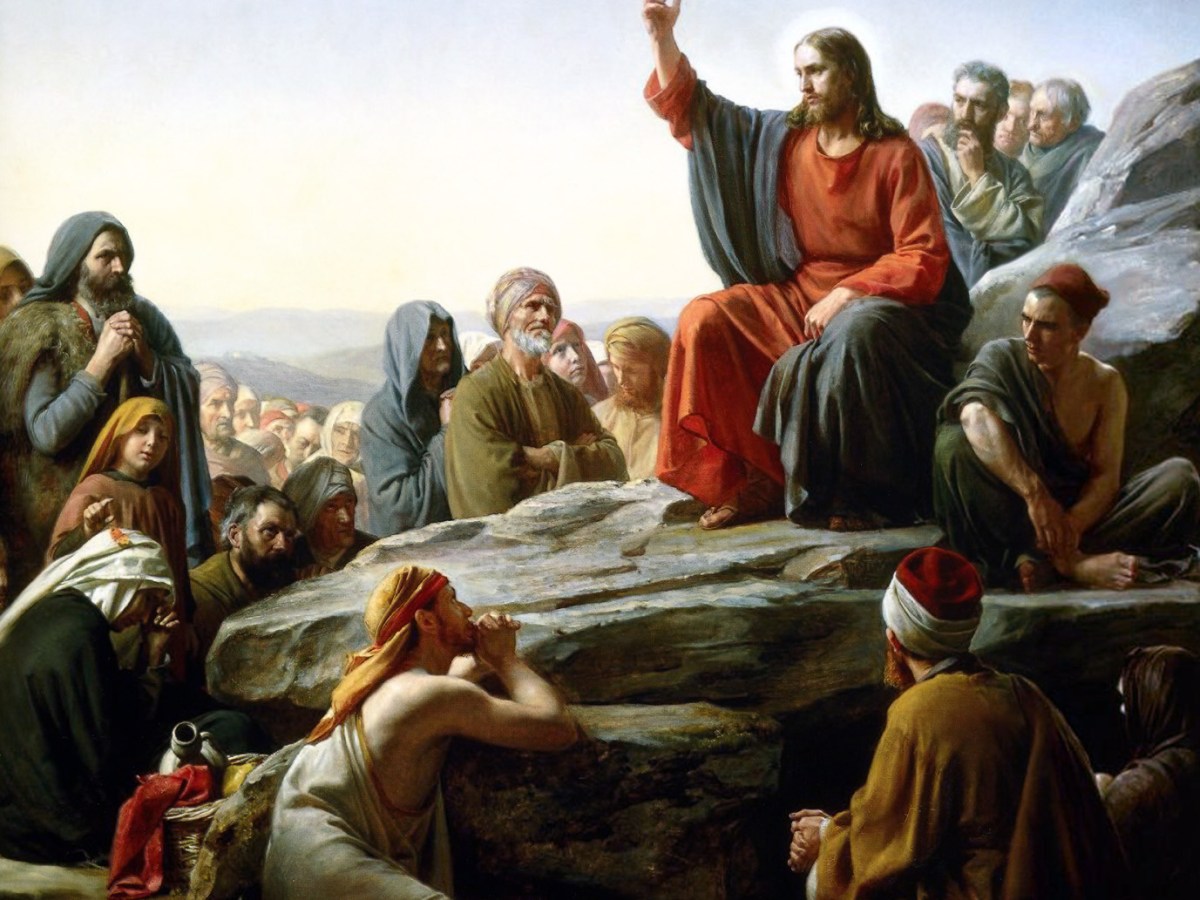
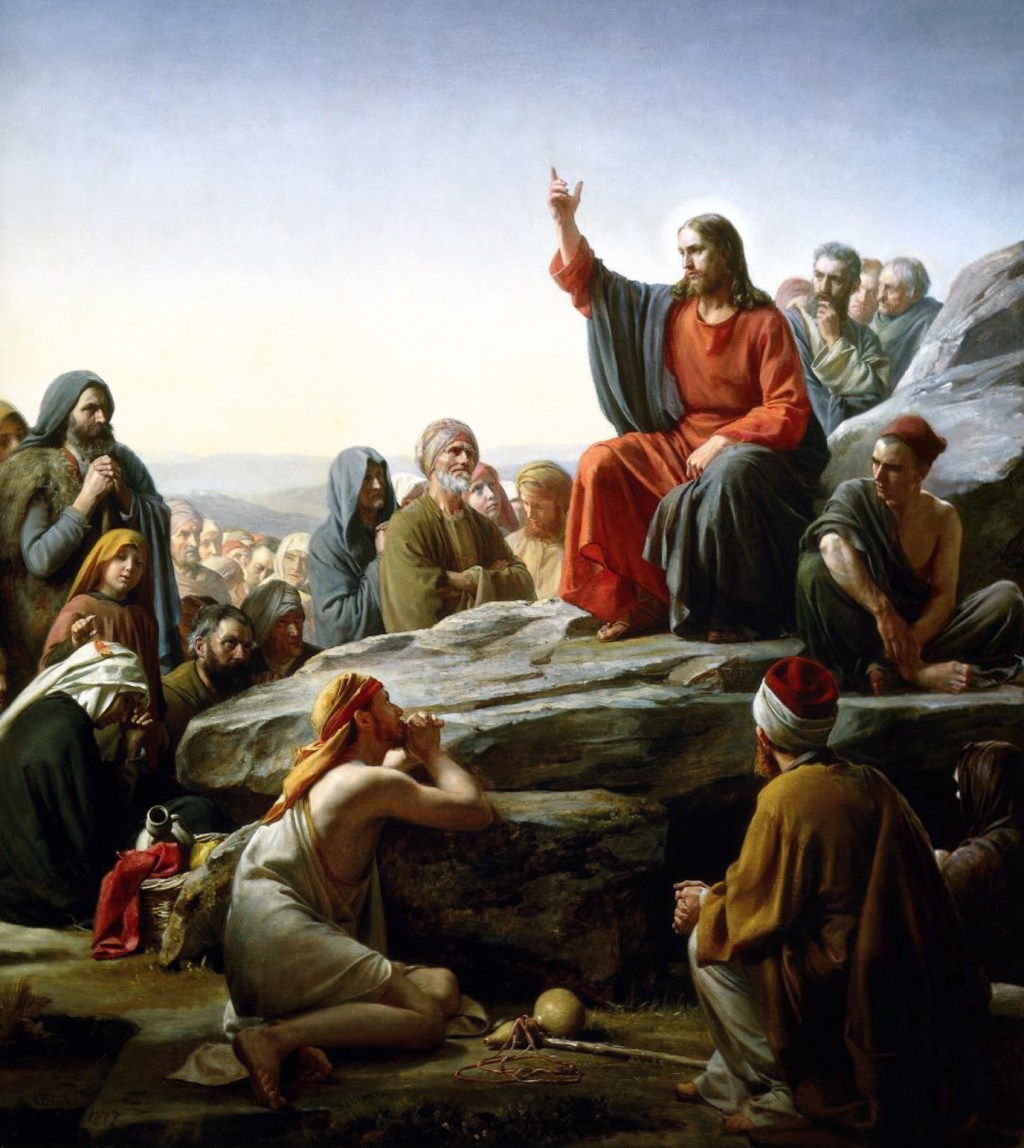
He said to them, “Let the little children come to me, and do not hinder them, for the kingdom of God belongs to such as these. Truly I tell you, anyone who will not receive the kingdom of God like a little child will never enter it.” And he took the children in his arms, placed his hands on them and blessed them. (Mark 10:14b-16)
Jesus does not vet these children for origin or status. He instead insists that the kingdom of God belongs to “such as these” and blesses them.
Research on U.S.‑born children in mixed‑status families shows that immigration enforcement practices generate chronic anxiety and fear, with measurable effects on children’s mental health, development, and sense of safety. For the roughly one in four children in the United States who have an immigrant parent, the looming possibility of separation from one or both parents is not abstract
ICE threatens our children’s well-being; Jesus blesses them and names them as bearers of the kingdom.
Good Samaritan Citizenship
Now by chance a priest was going down that road, and when he saw him he passed by on the other side. So likewise a Levite, when he came to the place and saw him, passed by on the other side. 33 But a Samaritan while traveling came upon him, and when he saw him he was moved with compassion. He went to him and bandaged his wounds, treating them with oil and wine. Then he put him on his own animal, brought him to an inn, and took care of him. (Luke 10:31-34)
If we still look for ways to justify detaining children or excusing civilian deaths, we should at least be honest that such actions run against both basic professional ethics and the Gospel’s call to love of neighbor. And they are supported by the full apparatus of the government. When we see these atrocities, we must not be the Priest or the Levite. We must be the Good Samaritan. Not questioning the “why”; instead, meeting the need with care and compassion. It is hard, but we should mourn with Rachel that the children are no more. And we should stand firm in our commitment to our constitution that all people in the United States deserve life, dignity, and the pursuit of happiness. That all are guaranteed due process.
You cannot claim compassion for families harmed by raids, detention, and family separation while supporting the erosion of the institutions meant to protect them from arbitrary state violence. You cannot claim to love your neighbor while supporting policies that tear families apart or accept the preventable suffering and death that follow.
In the United States, we the people have tremendous power. We have the right to free speech, to protest peacefully, and to vote. We may not be a Christian nation, but Christians and others who take Jesus’ teaching seriously can advocate for what he names: love, mercy, compassion, and justice.



![Commentary on Luke 2:[1-7] 8-20](https://jillian-nelson.com/wp-content/uploads/2024/05/el-greco.jpeg?w=1024)
![Commentary on Luke 2:[1-7] 8-20](https://jillian-nelson.com/wp-content/uploads/2024/05/el-greco.jpeg?w=1200&h=900&crop=1)